Zero degrees
A cold-climate mini split still pulls heat from outside air at this temperature, which matters for a basement on the coldest nights of the year.

A mini split can heat a basement through an Oregon winter, but it has to be sized and picked for that job. Basements already run cooler than the rest of the house because they sit below grade, and a unit chosen for a bedroom upstairs will struggle down there. The fix is a cold climate heat pump model, built to keep pulling heat from outside air even when it drops into the 20s and low teens, which is what western Oregon winters send a few times most years. Without that rating, a standard mini split loses output right when you need it most, and the basement ends up a few degrees short no matter how long it runs. Get the sizing and the model right for the space and it will hold its own down there all winter.


A mini split built for Oregon winters works differently than the one in a typical window unit or a standard heat pump. Below freezing, most heat pumps lose their ability to pull warmth from outside air and lean on backup heat instead. A cold-climate model keeps working down to zero or lower, which matters on the nights your basement needs it most. When the air outside is cold and wet, the outdoor unit ices up. It handles that by reversing briefly, melting the ice off the coil, then switching back to heating. You might notice the outdoor fan pause or steam rise off the unit. That's normal operation, not a malfunction. Inside, the head mounted in your basement reads temperature at its own sensor. It doesn't know or care what the thermostat upstairs says, so it short cycles or runs long based only on the room it's actually in. That's important because a basement loses heat mostly through the concrete walls and slab, a slow, steady pull rather than the drafts an upstairs room deals with. Sizing has to account for that. A contractor who just divides square footage by some rule of thumb will usually get it wrong. The real number comes from a room by room heat loss calculation, and a unit sized too big will short cycle, turning on and off without ever working the chill or the damp out of the space.




A cold-climate mini split still pulls heat from outside air at this temperature, which matters for a basement on the coldest nights of the year.
Finding a contractor who sizes the unit to your basement, not a leftover from an upstairs job, means fewer calls comparing quotes yourself.

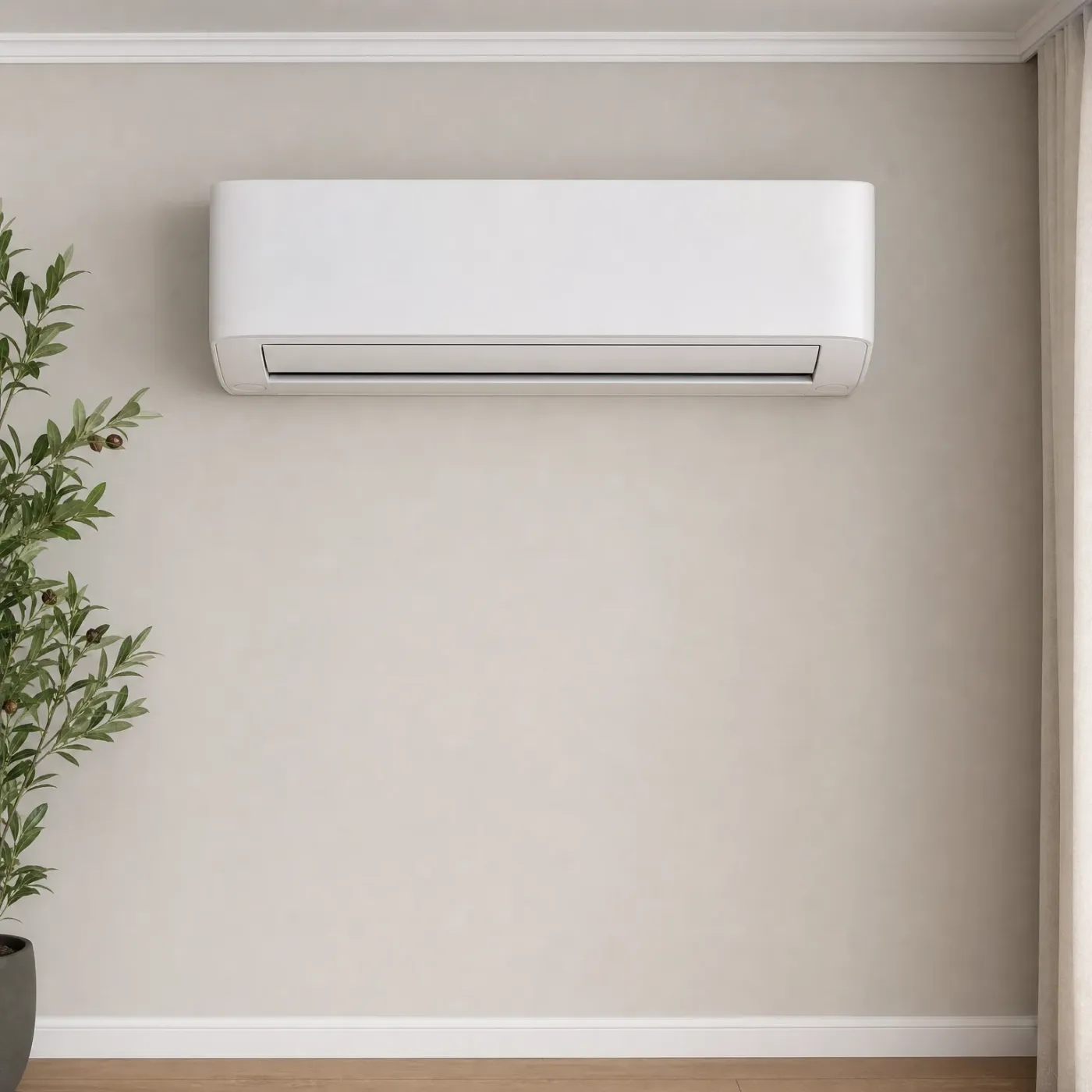
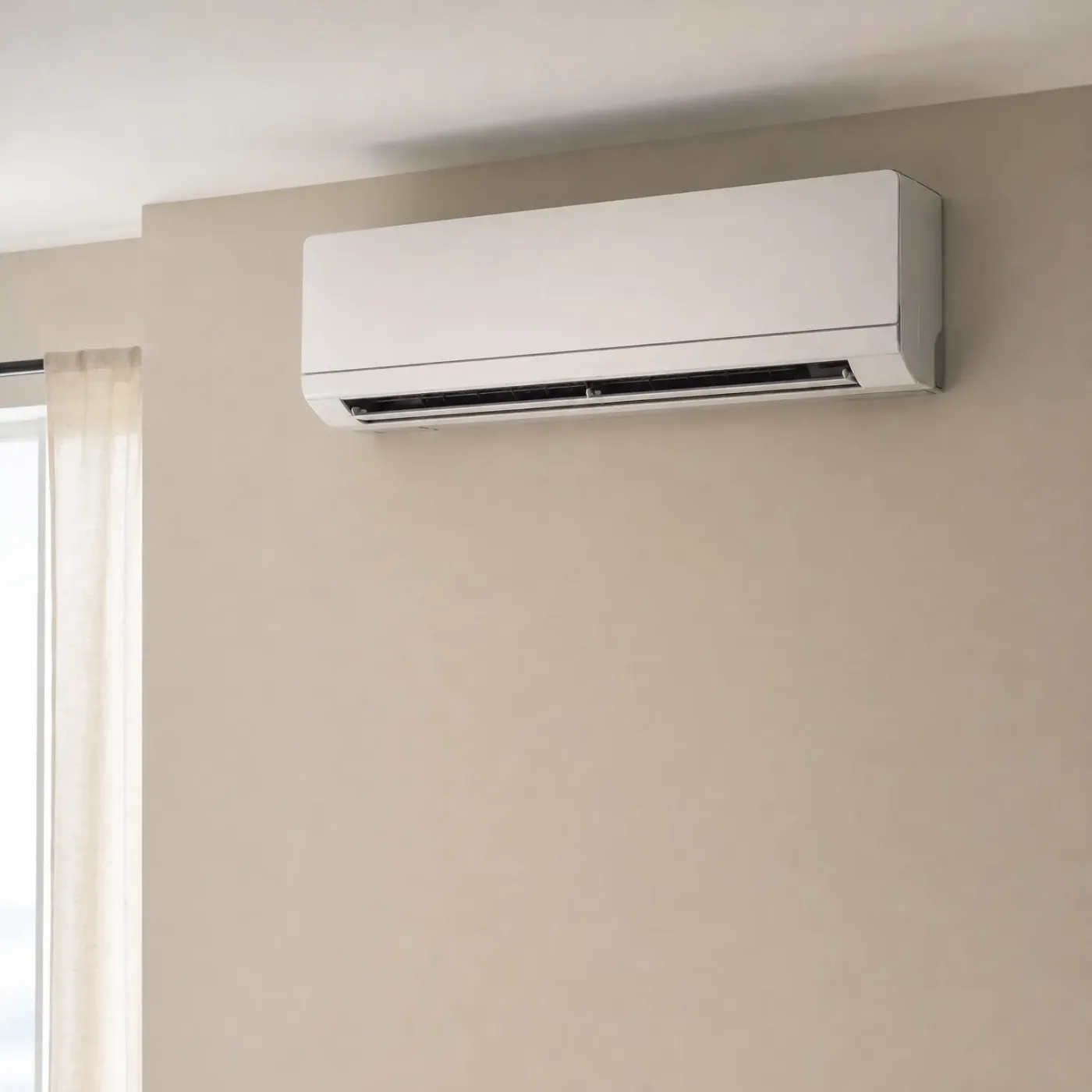
A mini split sized for your basement keeps a steady output even on the coldest night. Air comes out warm at the wall unit and the room holds its temperature without the outdoor unit straining to keep up.

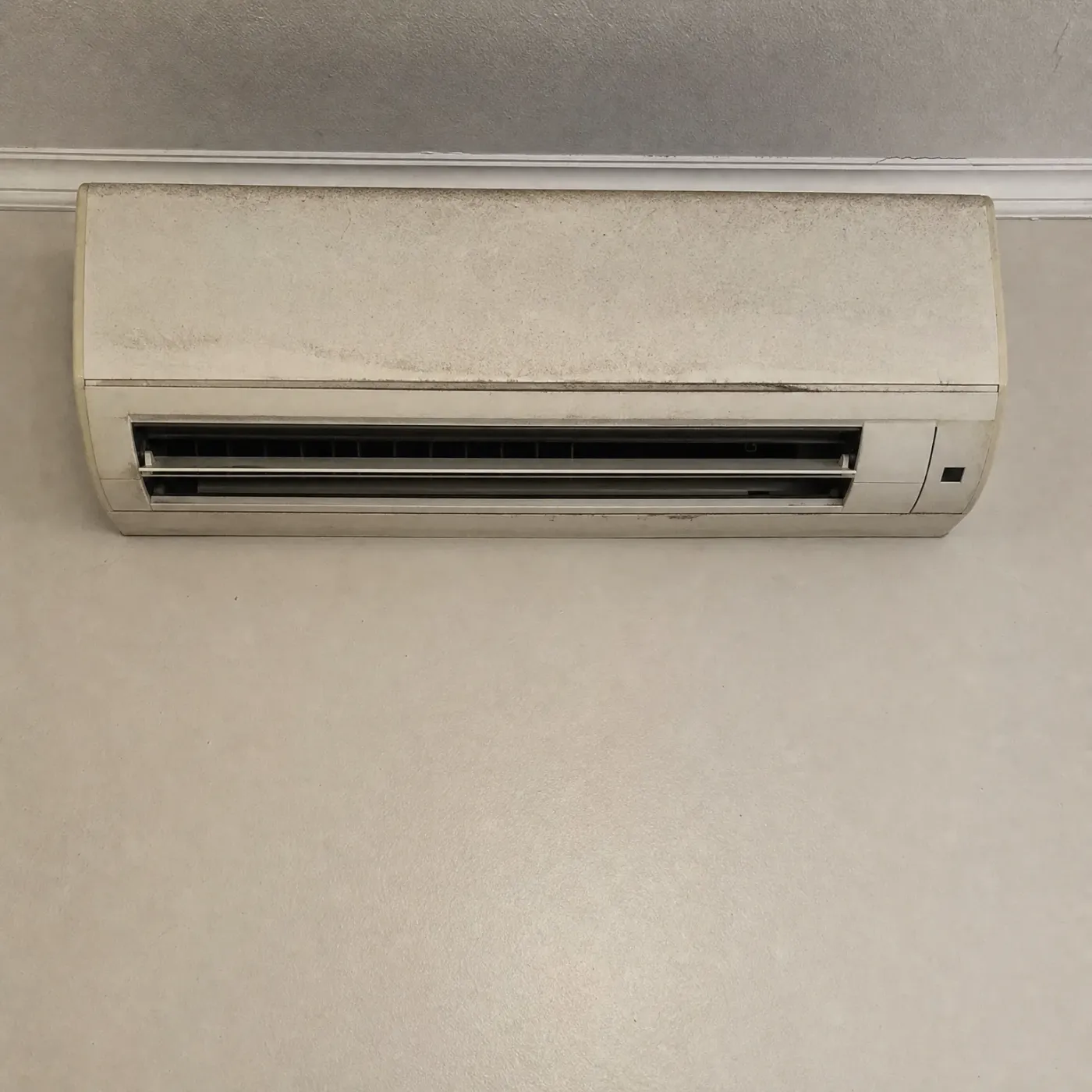
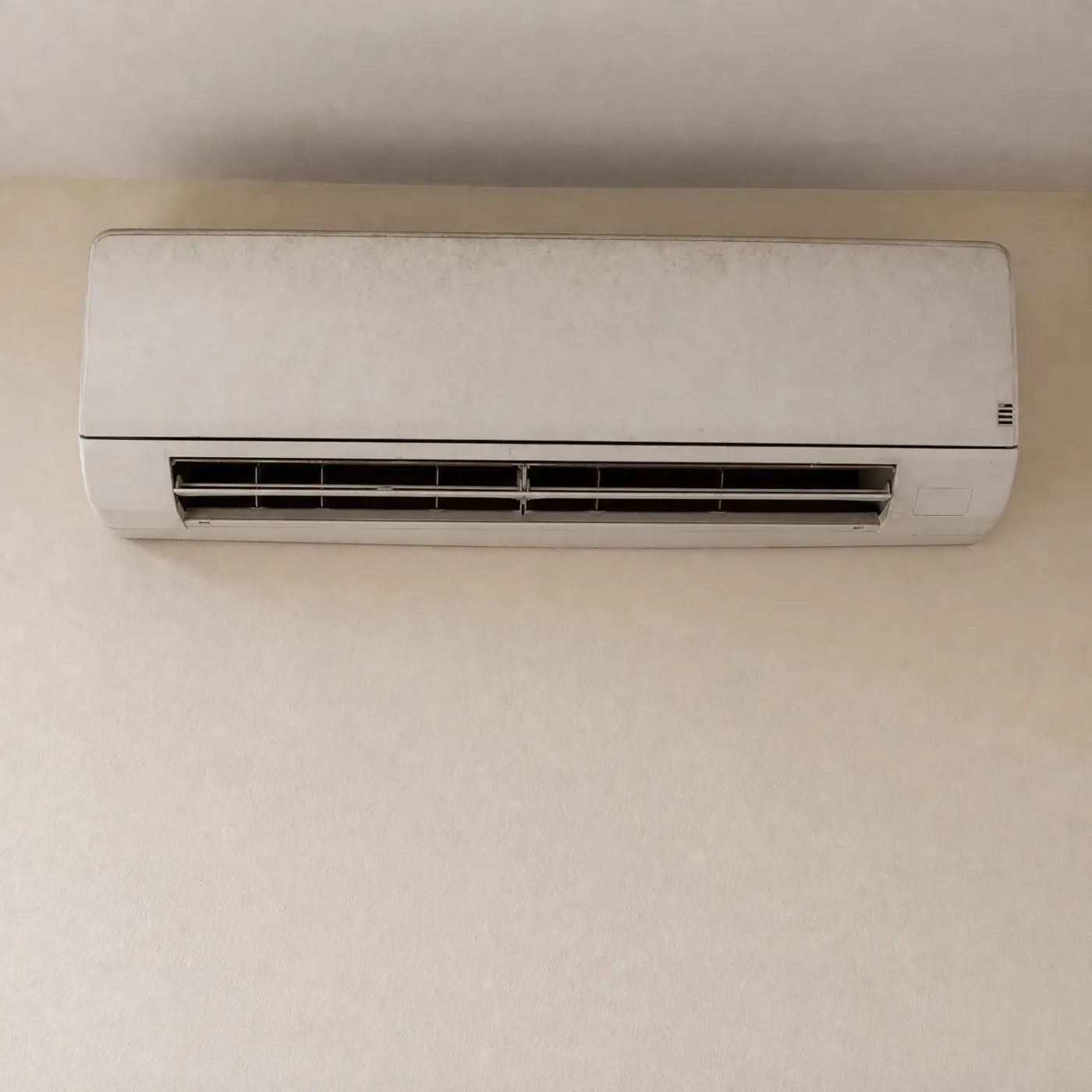
Dust and grime on the front panel and louvers block airflow, so the unit works harder for less heat. Paired with the wrong sizing for a basement, it falls further behind as the temperature outside drops.
You notice it on the nights when the temperature really drops. Upstairs feels fine, but the basement mini split seems to be working harder and still falling behind. You want to know if something is wrong with it, or if this is just what happens with this kind of equipment when it gets cold enough outside.
A mini split moves heat from outside air into the room, so the colder that air gets, the less heat there is to move. A standard model starts losing real output around freezing and keeps losing it as the temperature falls further. That's why the coldest nights are when yours seems to strain the most, it's pulling from a thinner supply of heat right when the basement needs the most. A cold-climate model is built to keep pulling heat down to zero or below, with a compressor and refrigerant system designed for that range. If your basement unit wasn't picked with Oregon's coldest stretches in mind, this is likely why it's falling behind now.
Describe your mini split job once, to one pro.
You only hire the pro if you want to.

Summers in Oregon run on the dry side, and homes here average a dew point of 52°F across June, July and August, according to NOAA climate data. That's air most people would call comfortable without any help. A mini split barely has to work to cool the house in that stretch, which matters for the basement unit specifically. The compressor isn't straining through a muggy summer before it has to turn around and carry the whole basement through a cold snap. Less summer stress on the outdoor unit means it's in better shape when it needs to pull heat from freezing air months later.
NASA POWER T2MDEW county cells weighted by homes
You go downstairs and the air from the wall unit feels cool instead of warm, or it blows warm but the room never catches up. The thermostat upstairs might read fine while the basement sits five or ten degrees under where you set it. On the coldest nights you may hear the outdoor unit running almost constantly, or notice frost sitting on the outdoor coil longer than usual. Sometimes the unit short cycles, kicking on and off every few minutes instead of holding a steady run. Left alone through a full winter, a basement that never gets warm enough tends to hold moisture, and damp framing or a musty smell down there is worth paying attention to before it becomes something bigger.
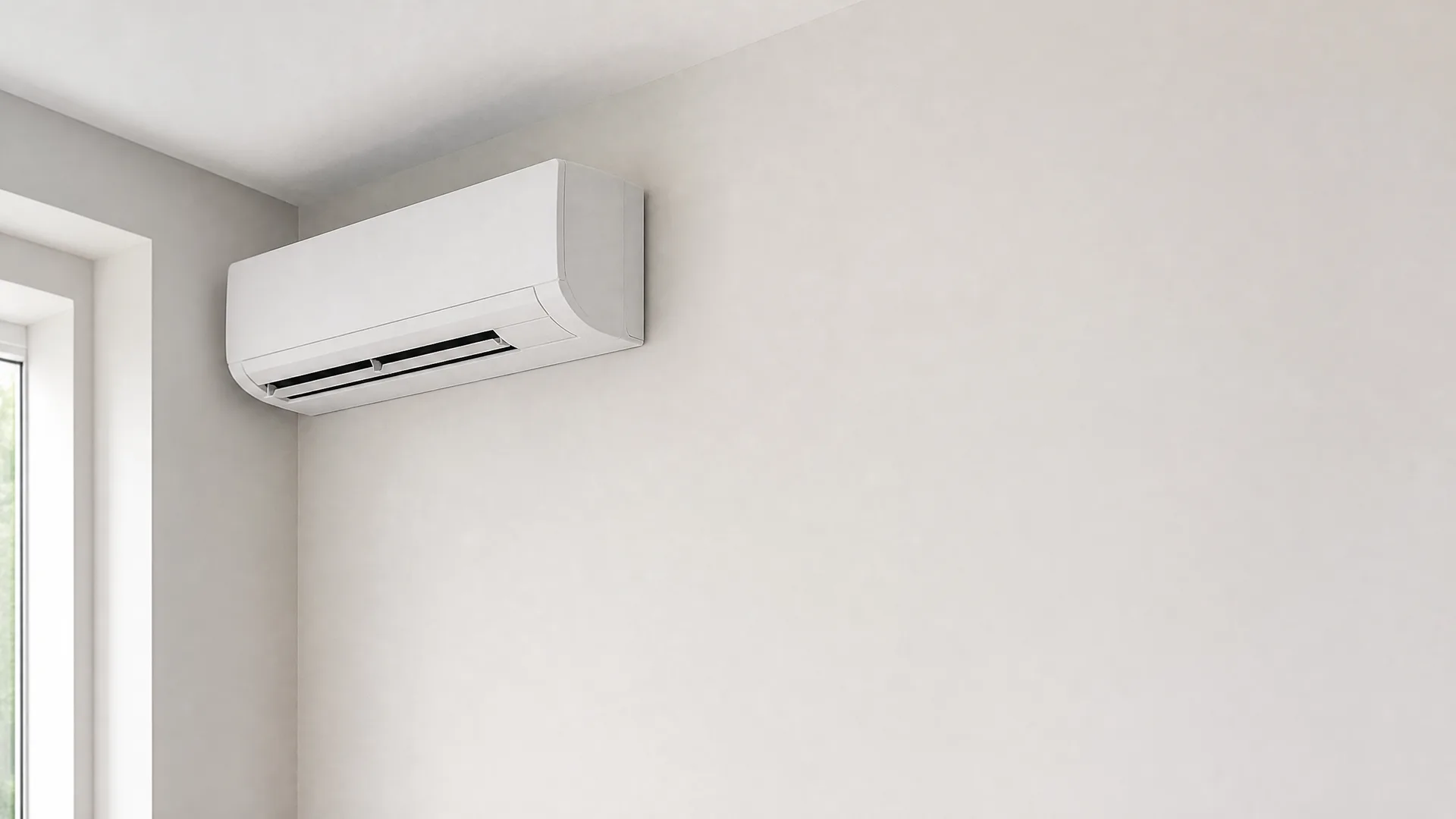
A basement someone sleeps in or works in all winter needs to hold a steady temperature day and night, not just take the edge off. That means the mini split has to run on the coldest mornings without losing ground, and the ductless head has to be placed where it actually reaches the far corners of the room, not just the wall nearest the stairs.
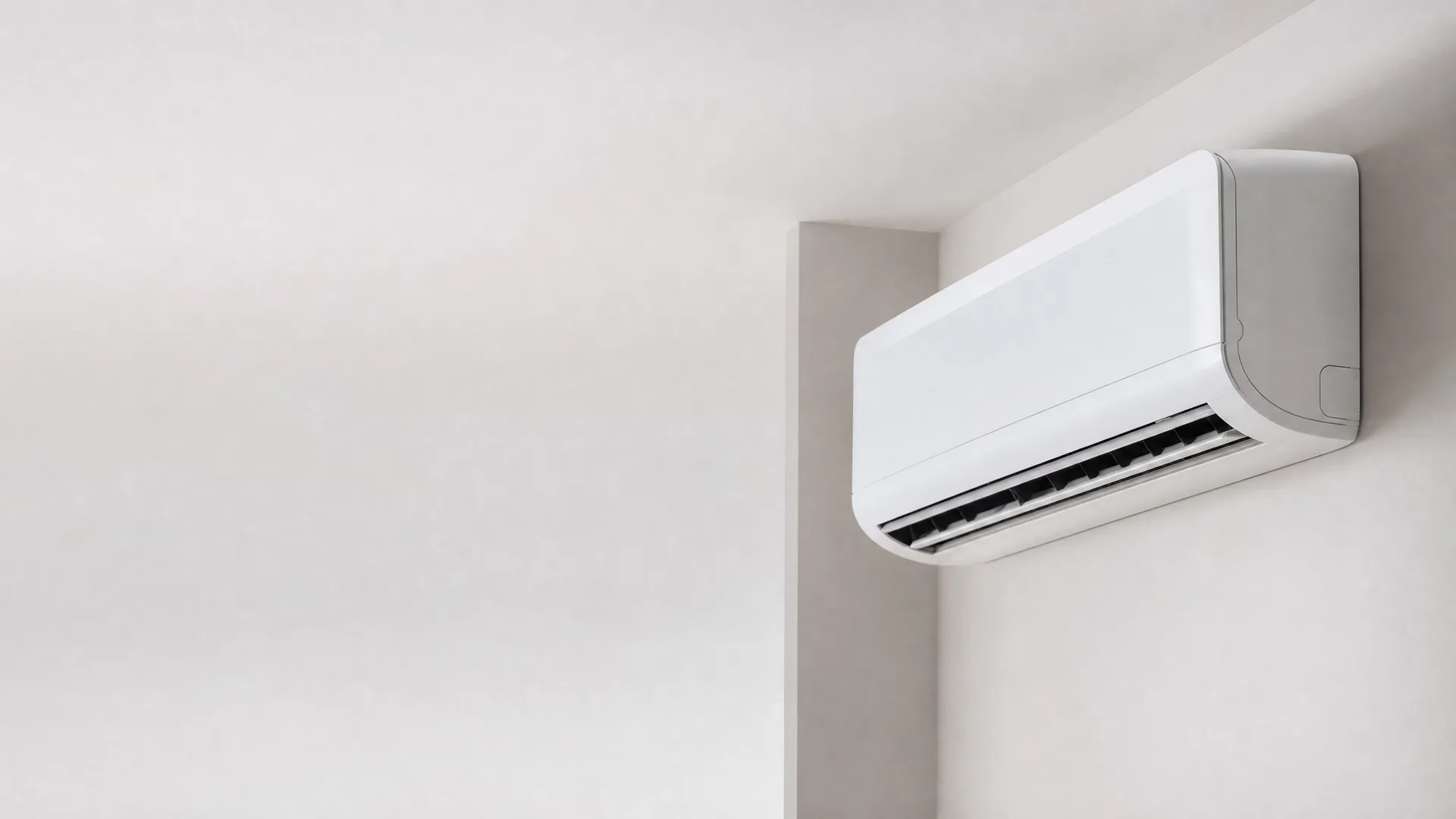
A basement that's mostly storage, a furnace, or a washer and dryer doesn't need the same output. Keeping it above freezing so pipes don't suffer is a lower bar than keeping it comfortable for someone sitting in it for hours. A smaller unit, or even a lower setpoint on a properly sized one, can do that job through an Oregon winter without strain.
At 15.46 cents a kilowatt-hour, a cold-climate mini split working hard on a January night in your basement costs about what the same electric heat costs anywhere else in the state. A properly sized unit still beats baseboard or resistance heat for the same square footage, since a heat pump moves heat instead of making it.
EIA-861 2025 statewide residential average
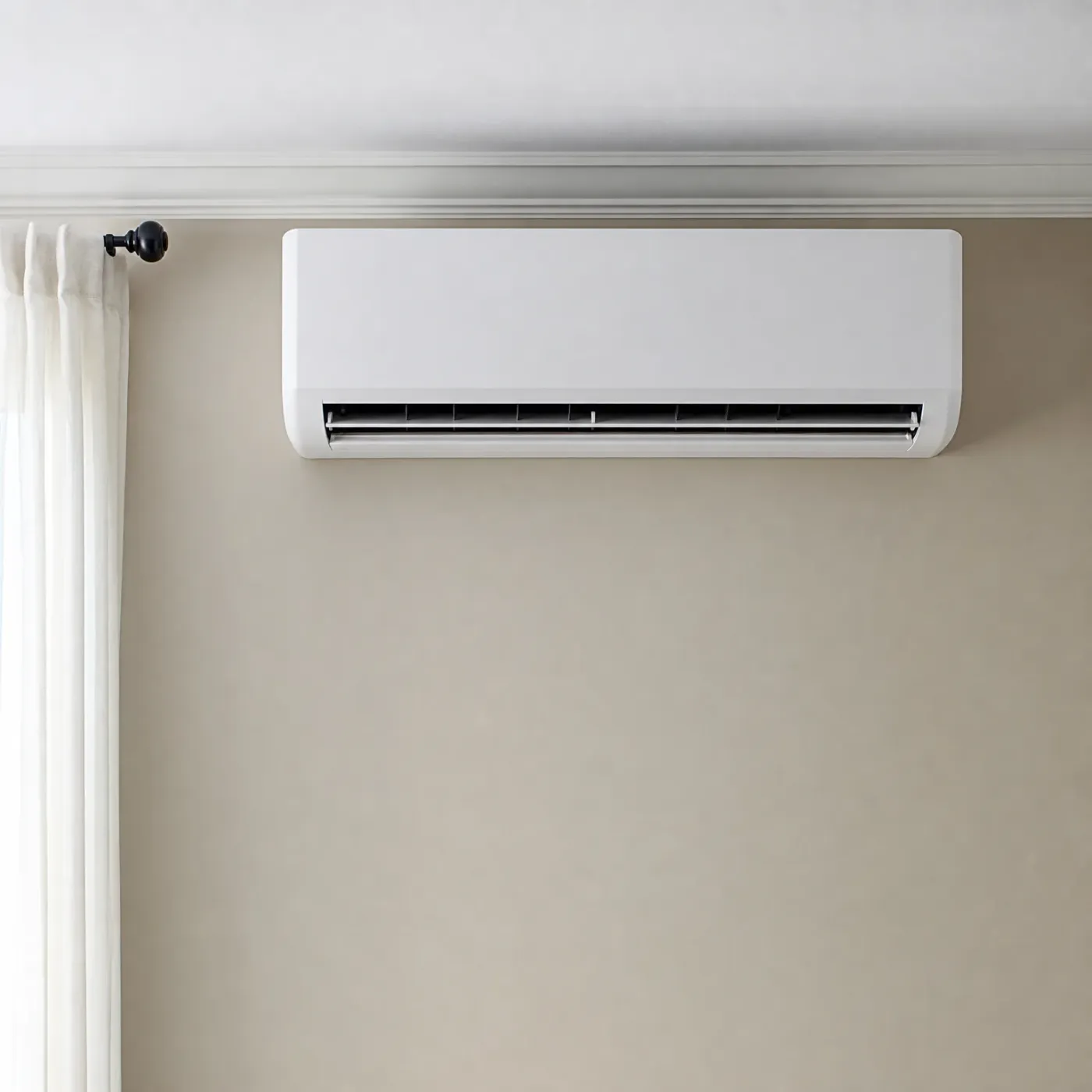
The wall unit sits high and clean, blowing warm air across the room on a cold night. The casing is clear and the curtains nearby move slightly in the airflow. This is what a correctly sized mini split looks like in use.
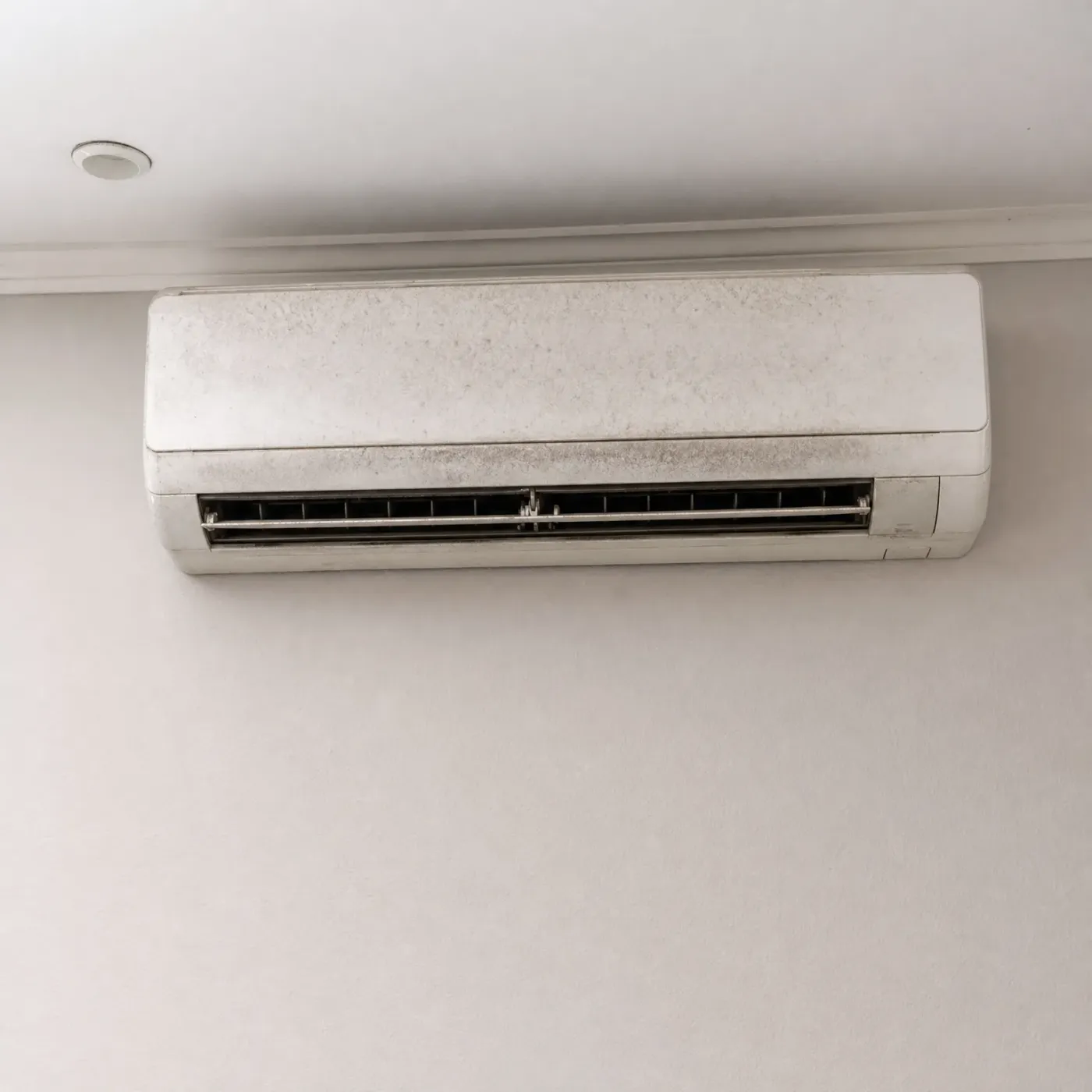
Dust and grime cover the casing, and the vents underneath are caked over. Air that was once warm now comes out weaker. A unit left like this struggles long before a cold snap ever tests it.

That's the answer. A cold-climate mini split, matched to your basement's size and installed with a defrost cycle built for sustained cold, will hold the room through a January night in Oregon. A unit picked without that basement in mind, or sized for a bedroom upstairs, will fall behind on the nights you need it most.
Getting the sizing and the model right is the part that takes someone who knows the basement, not just the brand. Instead of calling around to a handful of installers, explaining the space twice or three times, and sorting through quotes that assume different things about your basement, you can get matched with a contractor who works with these jobs and have them reach out to you directly about what your basement needs.

Asking costs nothing, and the choice to hire stays yours.
Getting the sizing wrong means living with a cold basement all winter or paying to redo the install. Send the request and a contractor who works with basement installs in your area will reach out, so you skip the searching and the back and forth explaining the space twice.
