
Mini split carrying the load
This is what you want to see: the mini split running steady, keeping the room warm on its own. If it's sized right and installed well, it should handle most of the house without help from the baseboards.

Send one request and you're done looking
A mini split and a baseboard heater don't use power the same way, so the question is really about what each one costs you to run in an Oregon winter. This page gets into how a mini split stacks up against the baseboard heat it's replacing. Once you see what's involved, a local installer can look at your place and tell you where you stand.
Hand it offA mini split costs less to run than baseboard heat almost every month of the year. Baseboard heat is electric resistance heating. It turns electricity straight into heat, one unit of power for one unit of warmth. A mini split moves heat instead of making it, pulling warmth from the outside air and putting several units of heat inside for every unit of power it uses. That difference holds even on Oregon's colder days, because the outside air still has heat in it for the system to pull from down to well below freezing. For a home that heats with electricity, as most do here, switching the baseboard units out for a mini split means the same square footage gets heated for less power drawn, month over month. The baseboard heat still has a place in a back bedroom or a bathroom that needs quick, local warmth. But as the main source of heat, it's the more expensive way to stay warm.
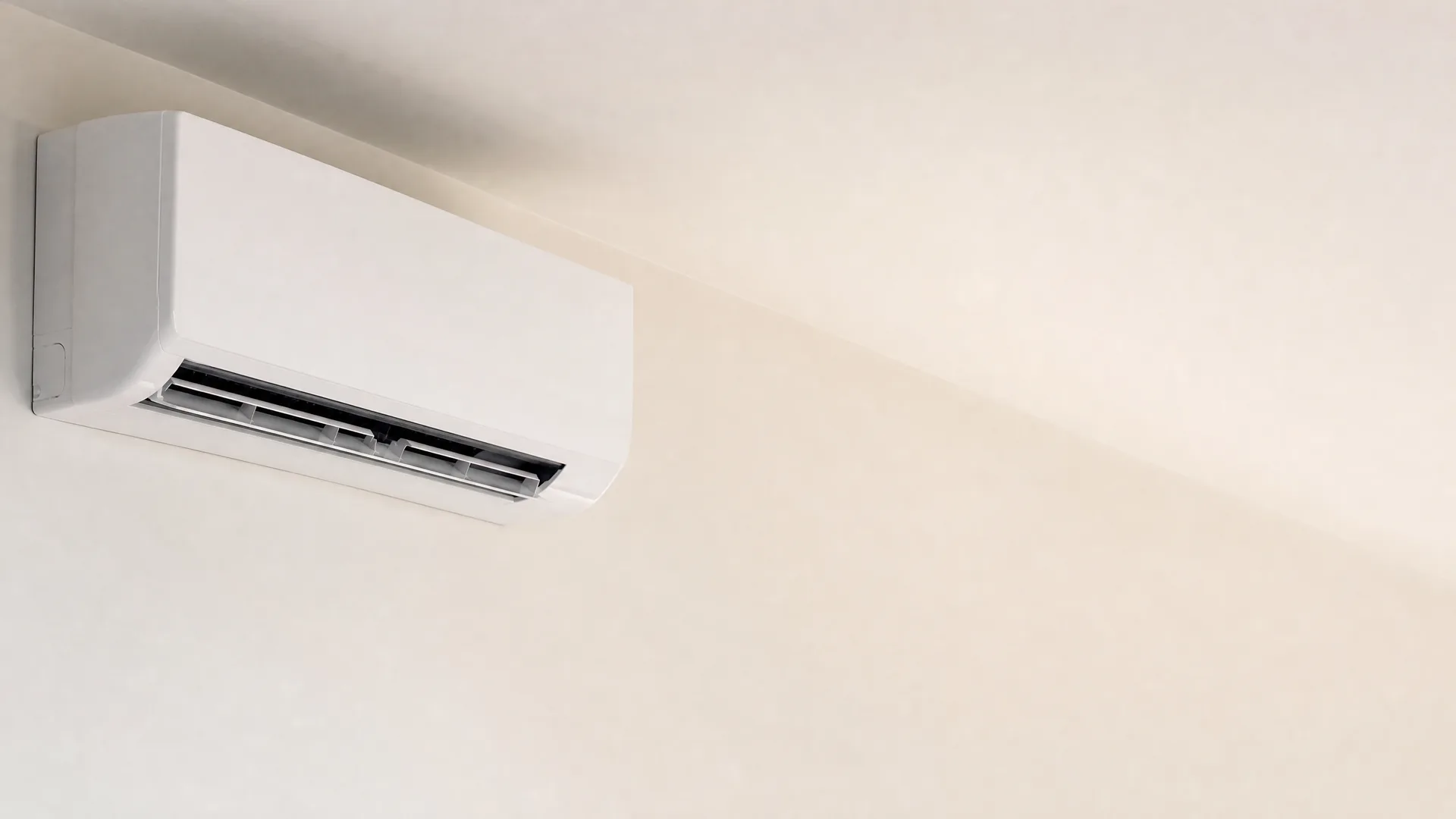
A baseboard heater can only turn electricity into heat directly, so one unit of power in gives you one unit of heat out. A mini split works differently. It runs a compressor and pulls heat from the outside air, even when that air is cold, and moves it inside. For every unit of electricity it uses, it can move two or three units of heat. That's why it draws less power than baseboard heat to warm the same room.
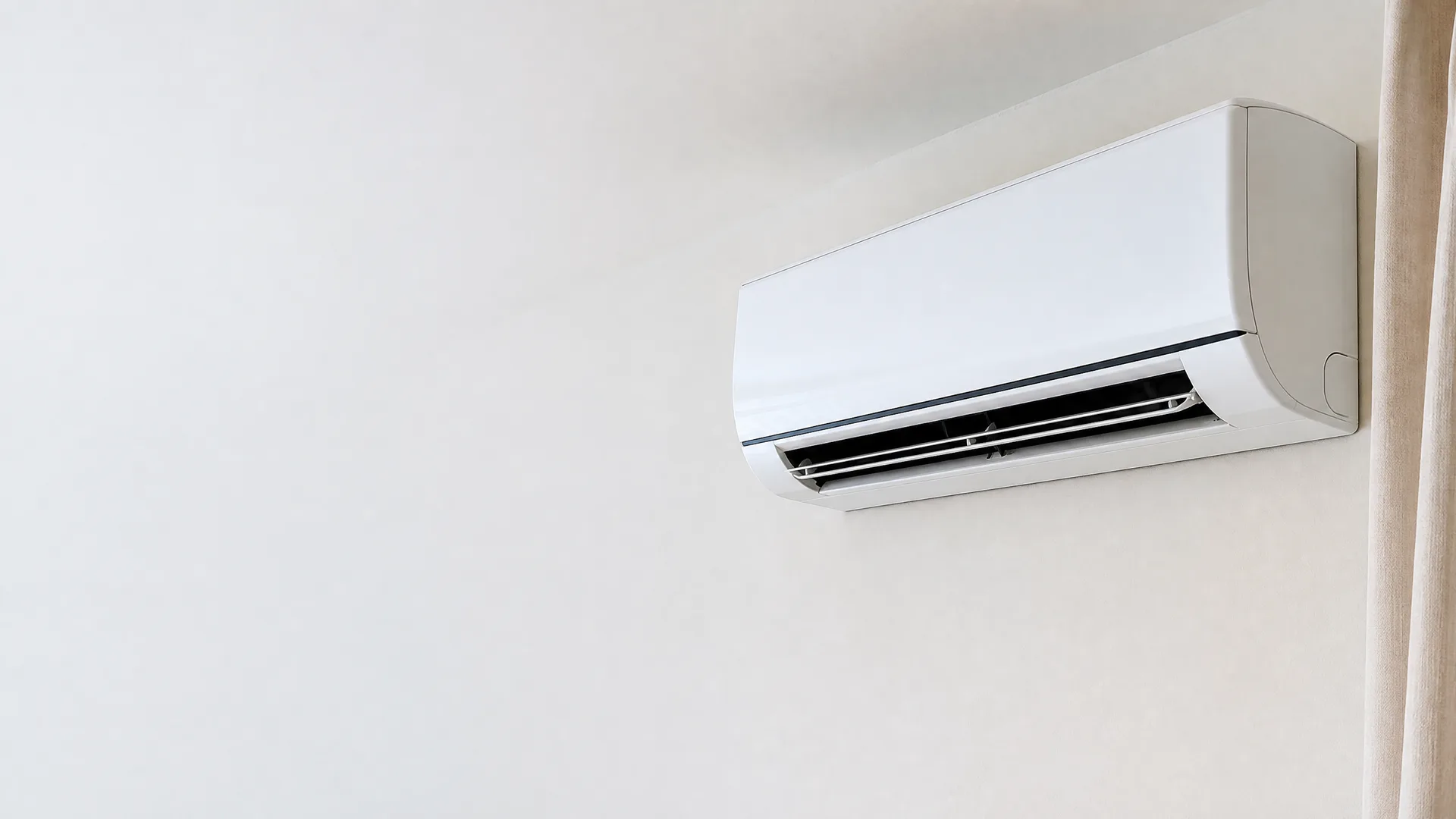
Check your electric bill in January and you'll see it on the usage line, not just the total. Baseboard heat draws a steady, fixed amount of power for the heat it puts out, month after month. A mini split's draw shifts with the outside temperature, pulling less power on a mild Oregon day and more on a cold one, but even on the coldest nights it's still moving heat rather than generating it from scratch.
If you've already got the mini split in and the baseboard heaters are still wired in as backup, you've probably noticed them kicking on more than you expected, especially in the room farthest from the mini split's indoor unit. That's the baseboard picking up the slack where the mini split's air isn't reaching well, and every hour it runs is at a higher cost per degree than the mini split is. You might also notice one room that never quite matches the rest of the house, colder in the morning, warmer than you set it by evening. That usually means the mini split serving that space isn't sized or placed for what the room needs, and the baseboard is filling the gap at your expense.
This is what you want to see: the mini split running steady, keeping the room warm on its own. If it's sized right and installed well, it should handle most of the house without help from the baseboards.

A dusty, aged unit like this one is often one that was never serviced or never fit the room to begin with. When a mini split underperforms, baseboard heat quietly picks up the slack, and that's where the savings disappear.





Only one pro gets your request, so you hear from one company.
Once you send the form, finding a pro is off your list.
No charge to send it. You decide if you hire them.


The outdoor unit on a mini split runs a compressor. Compressing refrigerant raises its temperature above whatever the outside air is, which is how the system can still pull heat out of cold air. That refrigerant travels inside to the head on your wall, where a fan moves air across the coil and into the room. A baseboard heater does none of this. There's no refrigerant and no moving parts, just an element that heats up when current runs through it. The two systems don't talk to each other. Each one has its own thermostat, and they run independently unless someone sets them to work together. That matters because if the baseboard's thermostat is set higher than the mini split's indoor head, the baseboard will turn on even while the mini split is already heating the room. Below a certain outdoor temperature, the compressor can't keep up on its own, and that's the point where the baseboard is supposed to take over. Whether it actually works that way in your house depends on how the two were set up when the mini split went in.


A mini split installed right can heat the whole room by itself, so the baseboard underneath it sits off most of the winter and the breaker for it barely gets used.
A mini split installed wrong leaves cold spots the baseboards have to cover, so you're running both systems and paying for the one that costs more to begin with.
At that rate, every kilowatt your baseboards use costs the same as the ones your mini split uses, so the difference in your bill comes down to how much less power the mini split needs to make the same heat. That's where the savings show up.
EIA-861 2025 statewide residential average
A mini split beats baseboard heat on cost most months, in most homes, because it moves heat from the outside air instead of making it from scratch the way a baseboard does. Oregon winters work in its favor. The outdoor temperature here doesn't drop low enough, often enough, to wipe out that advantage the way a harder winter elsewhere might. But the equipment only gets you half the way there. A mini split has to be sized for the room it's heating and installed so it can actually carry that load through the coldest stretch of the season. Get that wrong and the baseboards start picking up the slack, running more than they should, and the gap between what you'd pay with baseboard heat alone and what you're paying now starts to close. Power costs the same whether it's drawn by a mini split or a baseboard heater. There's no special rate for one or the other. So every bit of savings comes from one thing: using less power to make the same heat. That only happens when the unit is matched to the space and put in correctly. Two houses with the same mini split can end up with very different bills, and the equipment isn't what explains the difference. The installation is.


Let someone else find the pro
Your request stays with one local pro.
