Running a normal defrost cycle
The outdoor unit cycles through its own defrost on a cold morning, so the coil looks clean and the casing stays its normal white. Inside, the wall unit keeps putting out warm air without you noticing it stop.
That ice is frost building up on the outdoor unit's coil, and in an Oregon winter it happens because the coil runs colder than the damp air around it. Your mini split pulls heat out of the outside air even when it's cold out, and the coil's surface can drop below freezing while it does that. Moisture in the air hits that cold metal and turns to frost, the same way a cold glass fogs up and then ices over outside on a cold day. A normal unit handles this on its own: it runs a defrost cycle every so often, melts the frost, and goes back to heating. If the ice keeps building instead of clearing, or it's thick and covering the fan, something in that cycle isn't working, a sensor, a reversing valve, or a fan that isn't moving enough air across the coil. At that point your mini split is losing heating power and running harder to make less warmth, right when your house needs it most.




Seeing frost creep over the outdoor unit when it's cold and wet out makes you wonder if something's wrong, especially when you need the heat working right for the people inside. A little ice doesn't always mean trouble, but it helps to know when it's just the system doing what it does and when it's telling you something's off.
Your mini split is built to handle this. It runs a defrost cycle on its own, usually a few times during a cold, damp stretch, where it briefly reverses and melts the frost off the coil before going back to heating. You might notice the fan stop and some steam rise off the unit. That's the cycle working. What's not normal is ice that keeps building past that, covers the coil in a thick layer, or spreads down the sides and underneath. If the defrost cycle isn't clearing it, something in the system isn't working the way it should, and that's worth having a contractor look at before it gets worse.
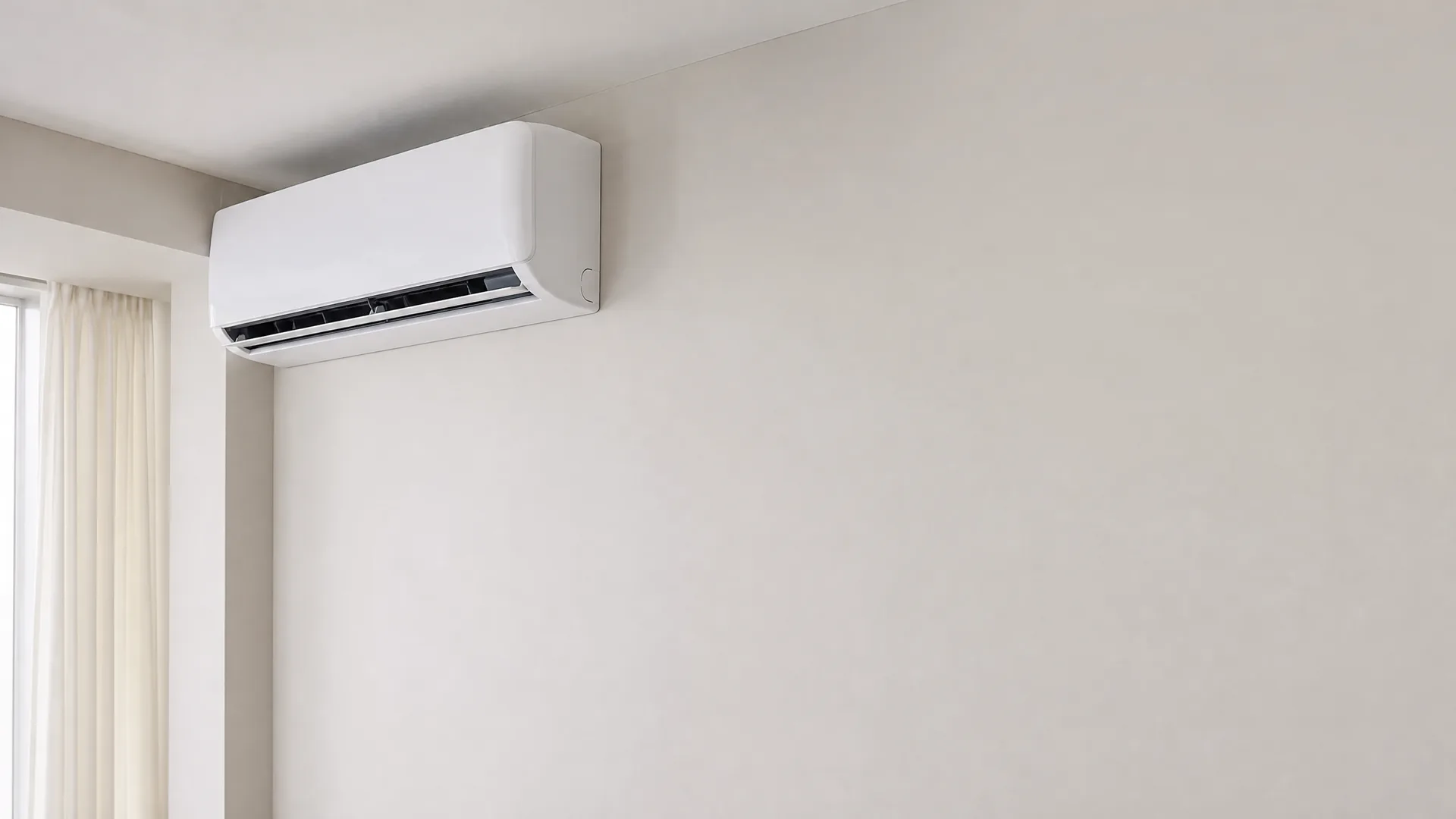
Your mini split checks its own coil temperature and runs a defrost cycle on its own when frost builds up. It briefly reverses and sends warm refrigerant through the outdoor coil to melt the ice, then switches back to heating. You might notice the outdoor fan stop and some steam rising off the unit. That's normal and it should finish in a few minutes without you doing anything.
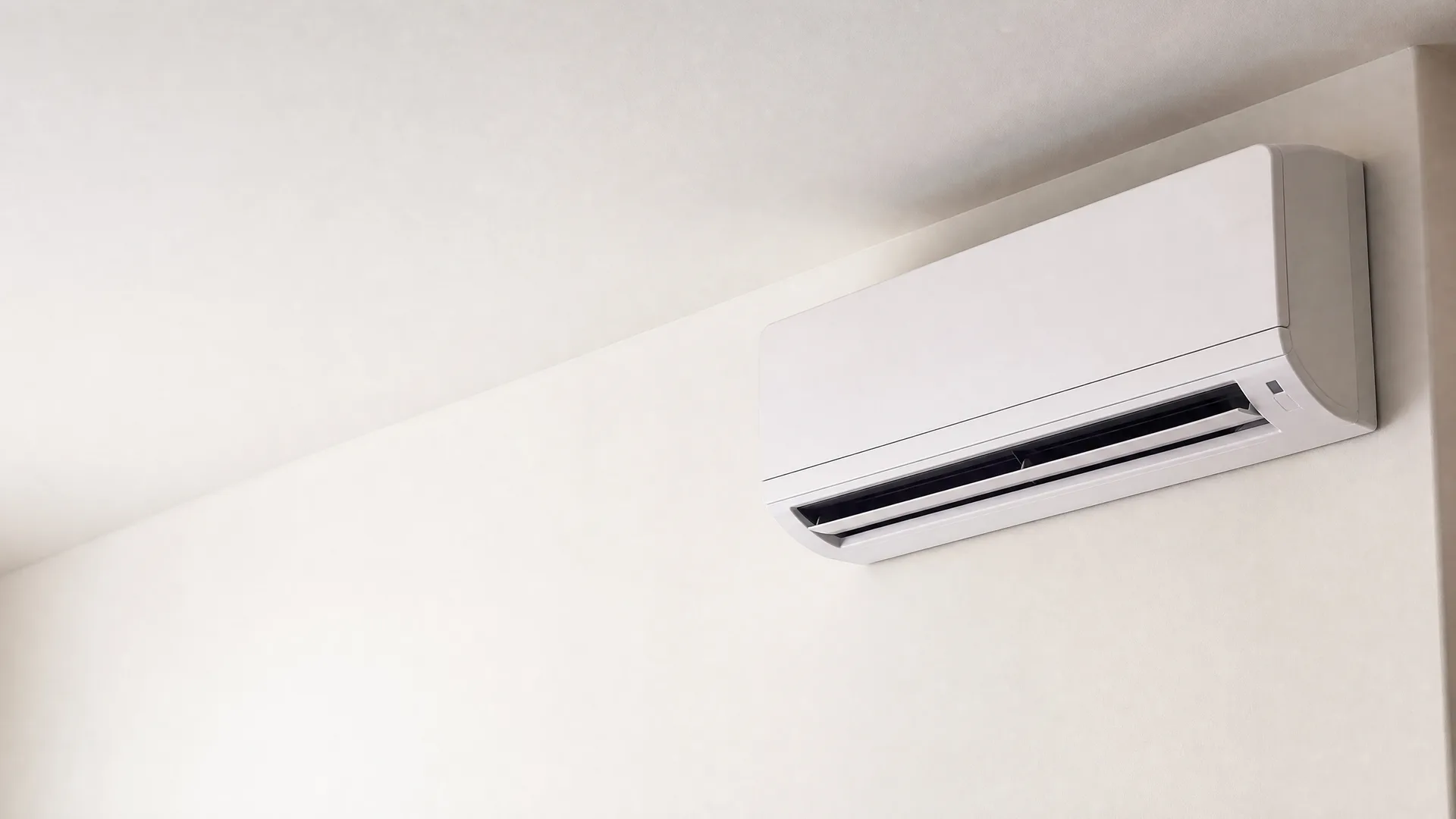
If the coil stays covered after a defrost cycle should have run, something is keeping the system from sensing it needs to, or from completing it. A failing defrost sensor, a stuck reversing valve, or a fan motor that's slowed down can all leave ice building faster than the unit clears it. By the time you see a thick layer instead of a light frost, the coil can't pull heat from the air the way it's supposed to.



Send the request today and stop worrying about who to call.
Say what's going on with your mini split, and a pro who works on them reaches out.
Sending the form costs nothing.
Check the outdoor unit on a cold, wet morning. If the ice is thick, covers the coil edge to edge, or has crept onto the pipes and base, that's past what a normal defrost cycle clears. You might notice the indoor head blowing air that isn't as warm, or the system running a long time without the house catching up. Some units will short cycle, turning off and on more than usual. Left alone, a coil that stays iced over can't pull heat from the outside air the way it needs to, so the people counting on it for warmth end up with less heat on the coldest days, right when they need it most.

The outdoor unit cycles through its own defrost on a cold morning, so the coil looks clean and the casing stays its normal white. Inside, the wall unit keeps putting out warm air without you noticing it stop.

Dust and discoloration on the casing often sit alongside a coil that's staying iced over longer than it should. When the vanes are open but the room isn't warming up, the defrost cycle isn't keeping up with the frost anymore.


The coil's sensor reads its surface temperature as it drops
The control board compares that reading against the outdoor air temperature
Once the gap is wide enough, the board starts the defrost cycle
The reversing valve sends hot refrigerant into the outdoor coil to melt the frost
At 15.46 cents a kilowatt-hour, running a mini split stuck in defrost or icing up costs more than one that's cycling normally, since a coil fighting ice pulls power without heating the room. A repair that fixes the icing keeps that cost where it belongs.
EIA-861 2025 statewide residential average

It's a January afternoon, gray outside, rain coming down steady. You've set up in the home office with the mini split running to keep the room warm while you work. You notice the wall under the indoor unit looks damp, then see the streak running down toward the baseboard. A towel is already down on the floor from the last time this happened. The unit is still blowing warm air, so nothing sounds wrong, but the wall keeps weeping water. You wipe it down again, move the laptop away from the wet patch, and wonder how long it's been dripping before you caught it.

A little frost on a cold, wet morning is the coil doing what it's built to do. Ice that stays thick, spreads past the coil edge, or keeps the indoor unit running cool air instead of warm means the defrost cycle isn't finishing the job, and that's a repair, not a wait-and-see.
Once you send in the details of what you're seeing, that search is off your plate. You'll be matched with a contractor who works on mini splits in your area, and they'll reach out to go over what's happening with your unit. You don't have to track down who's available or figure out the right questions to ask. That part is handled, and the people you're keeping warm stay warm while it gets sorted.






Send the request today and let a mini split pro reach out to you.
You're not committing to anything by asking.